Understanding Color Theory in Textile Design
Color theory plays a crucial role in textile design, influencing everything from the appeal of handmade items to the effectiveness of fabric choices in crafting. This article delves into the fundamentals of color theory, providing insights that can enhance your textile crafting experience.
The Basics of Color Theory
Color theory is a framework that explains how colors interact with each other and how they can be combined to create visually appealing designs. According to industry experts, understanding color theory is essential for textile designers, as it guides their choices in knitting, sewing, and fabric design.
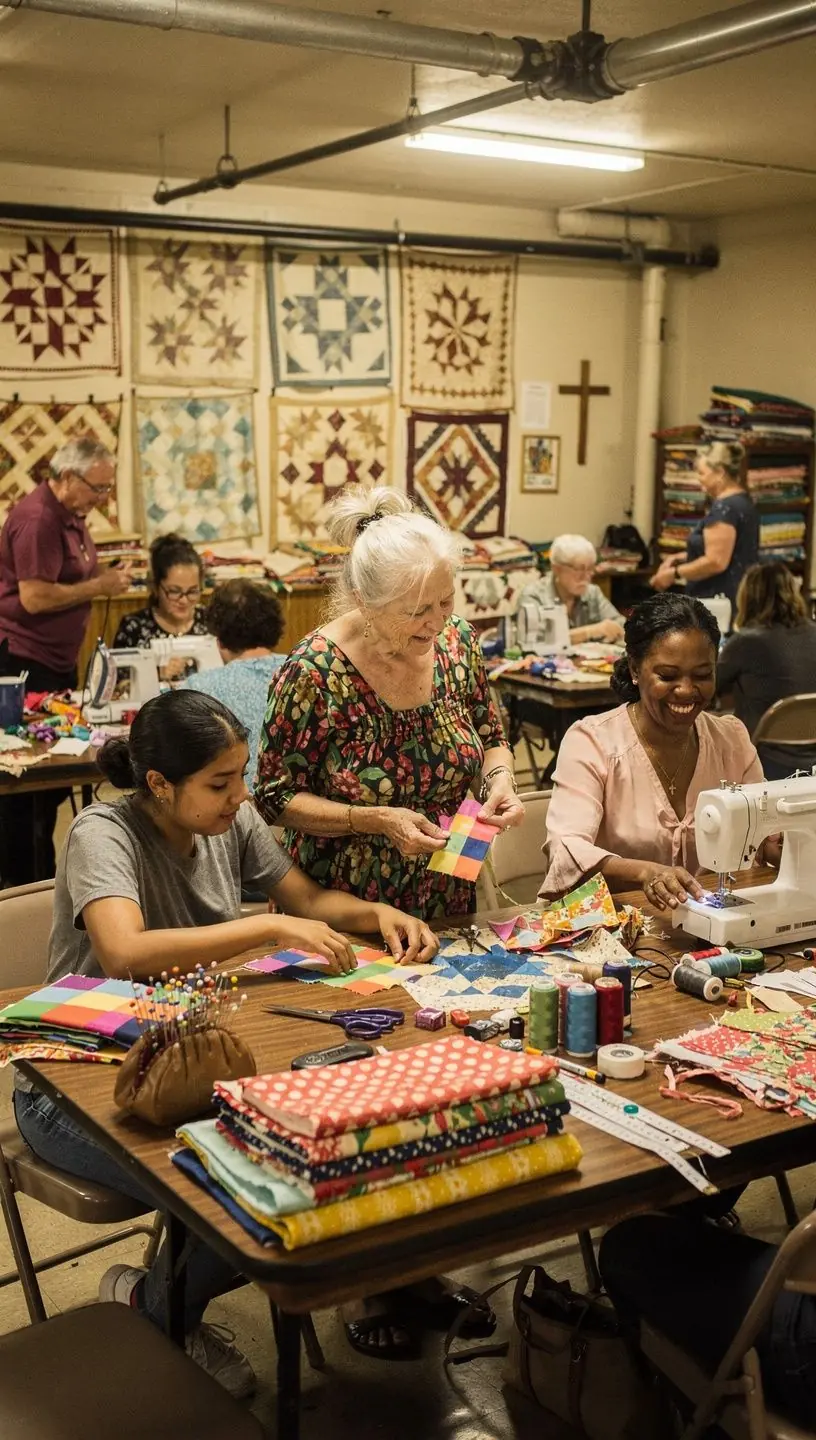
"Color is the keyboard, the eyes are the harmonies, the soul is the piano with many strings." - Wassily Kandinsky
Color Properties and Their Impact
Colors have three main properties: hue, saturation, and value. Each property affects how a color is perceived and how it can be utilized in textile design:
- Hue: This refers to the color itself (e.g., red, blue, yellow). Different hues can elicit various emotional responses. Research indicates that certain colors, like blue, can create a calming effect, while warmer hues like red can evoke excitement.
- Saturation: This describes the intensity or purity of a color. Highly saturated colors are vibrant and eye-catching, while desaturated colors tend to be more muted and subtle. In most cases, balancing saturation can significantly impact the overall aesthetic of a textile project.
- Value: This refers to how light or dark a color is. Incorporating a range of values can create depth and dimension in your designs, an approach recommended by many color theory experts.
Applying Color Theory in Textile Design
Incorporating color theory into your textile projects involves understanding how to mix and match colors effectively. Here are some practical tips:
- Color Wheel: Use a color wheel as a reference. Complementary colors (those opposite each other on the wheel) can create dynamic contrasts, while analogous colors (those next to each other) offer harmony.
- Color Harmony: Experiment with color schemes. Many designers find success with triadic schemes, which use three equally spaced colors on the color wheel for a balanced look.
- Testing Combinations: Always test your color combinations in small samples before committing them to a larger project. This process allows you to see how colors interact in different fabrics and lighting conditions.
Acknowledging Limitations
While understanding color theory can enhance your textile designs, it's important to note that not all combinations will work for every project. The effectiveness of color often depends on the context, such as the type of fabric, lighting conditions, and the intended use of the item. Additionally, mastering color theory typically requires practice and experimentation over time.
Conclusion
Color theory is a vital tool for anyone involved in textile design. By understanding the properties of color and how to apply them effectively, you can create more visually appealing and impactful designs. Remember that while color theory provides guidelines, your creativity and personal touch are what will make your projects truly unique.